
|
|
Photocouplers with Paper Reel Packaging Enter Mass Production and Shipment
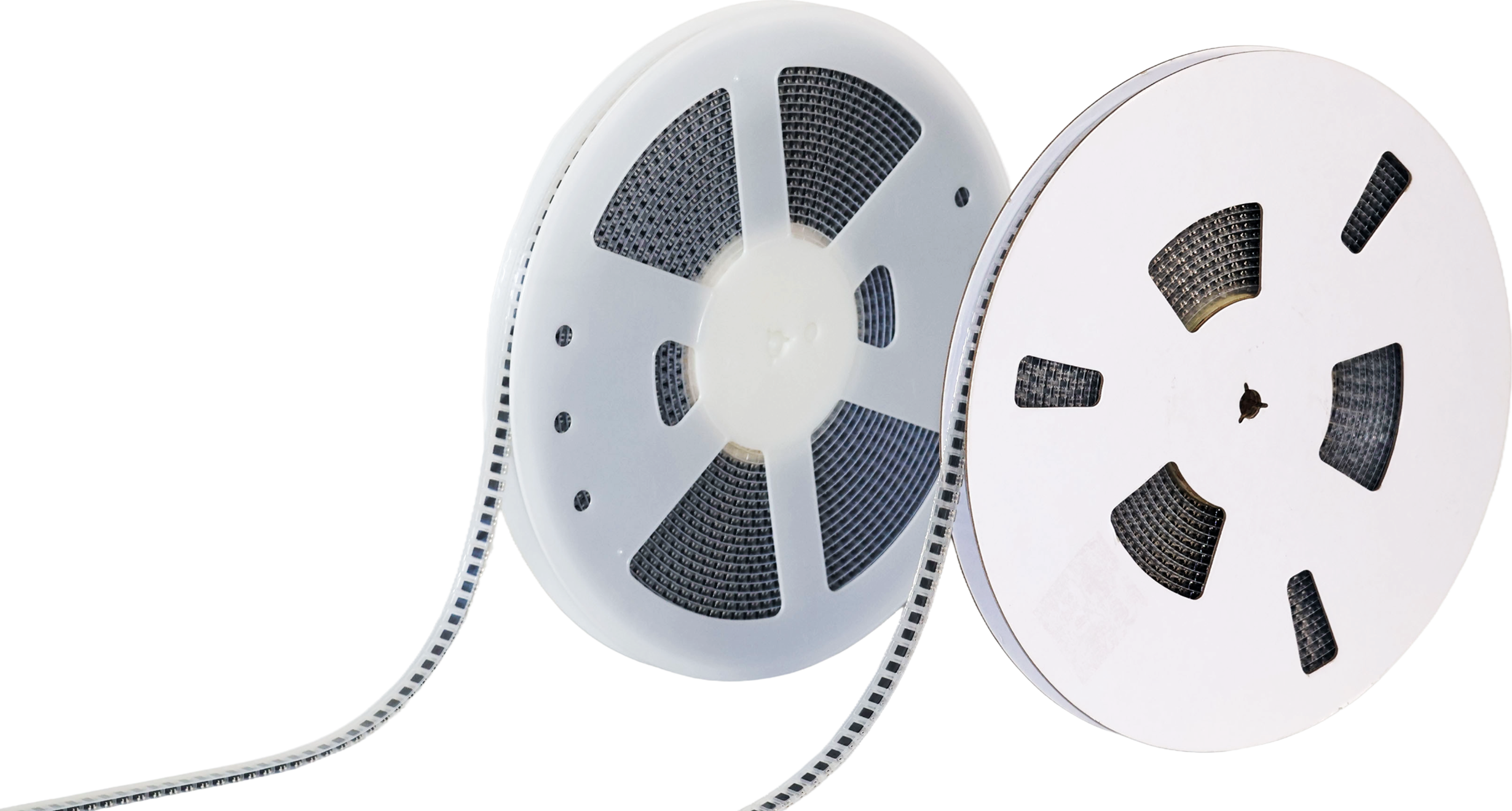
Sharp Semiconductor Innovation Corporation (SSIC) has adopted environmentally conscious paper reels as packaging materials for its photocoupler products. While maintaining the same level of quality as conventional plastic reels, the company has achieved an approximately 35%*1 reduction in the Carbon Footprint of Product (CFP) per reel. Furthermore, when comparing the environmental performance of the packaging material itself, excluding the impact of the transportation stage, CO2 emissions are reduced by approximately 75%*2, demonstrating the significant environmental benefits of switching to paper reels.
In recent years, companies have been increasingly required to reduce environmental impacts across the entire supply chain, including not only products themselves but also raw materials and packaging materials. As interest grows in decarbonization initiatives and the management and reduction of Scope 3 emissions, environmental considerations have become an important criterion in component selection.
SSIC's paper reels utilize renewable resources and contribute to reducing environmental impact throughout the entire product life cycle, from raw material procurement to disposal and recycling. At the same time, they provide the strength and reliability required for transportation and automated assembly processes, successfully balancing environmental performance with practical usability.
What Is the CFP?
The CFP is a methodology for calculating and visualizing the amount of greenhouse gas (GHG) emissions generated throughout a product's life cycle, including raw material procurement, manufacturing, distribution and sales, use, and end-of-life treatment such as disposal and recycling, expressed as CO2-equivalent emissions.
CFP calculations are based on the Life Cycle Assessment (LCA) methodology. LCA evaluates the environmental impacts associated with all stages of a product's life cycle, while CFP specifically quantifies greenhouse gas emissions as a numerical indicator derived from that assessment. This enables organizations to quantitatively understand environmental impacts and identify opportunities for further reduction.

CFP Comparison: Plastic Reel vs. Paper Reel

*1 CFP Calculation Conditions
- The emissions per reel (kg-CO2e/reel) were calculated besed on the raw material procurement, production, transportation, and disposal/recycling stages.
- CFP calculations were conducted using the Ministry of the Environment's Emission Factor Database for calculating Greenhouse Gas Emissions Across Supply Chains (Ver. 3.6).
- Emission factors for raw material procurement were used because they include the impacts of production processes.
- Transportation emissions were calculated assuming international logistics with a transport distance of 9,000km.
- The use phase has not been included in this assessment, as it varies depending on the customer's usage conditions.
- For consistency in the comparison, both plastic reels and paper reels were assumed to be disposed of through incineration at the end of their life cycle.
- All values are SSIC estimates based on the above assumptions.
*2 Conditions for CO2 Emissions Calculation
- The emissions per reel (kg-CO2e/reel) were calculated besed on the raw material procurement, production, and disposal/recycling stages.
- CFP calculations were conducted using the Ministry of the Environment's Emission Factor Database for calculating Greenhouse Gas Emissions Across Supply Chains (Ver. 3.6).
- Emission factors for raw material procurement were used because they include the impacts of production processes.
- To compare the environmental impact of the reels themselves, the transportation and use stages were excluded from the calculation.
- For consistency in the comparison, both plastic reels and paper reels were assumed to be disposed of through incineration at the end of their life cycle.
- All values are SSIC estimates based on the above assumptions.
Paper Reel Compatible Products
Paper reel compatible photocouplers are currently available in three product series comprising a total of 30 models. SSIC plans to expand paper reel compatibility to future product releases as well.
PC817X series
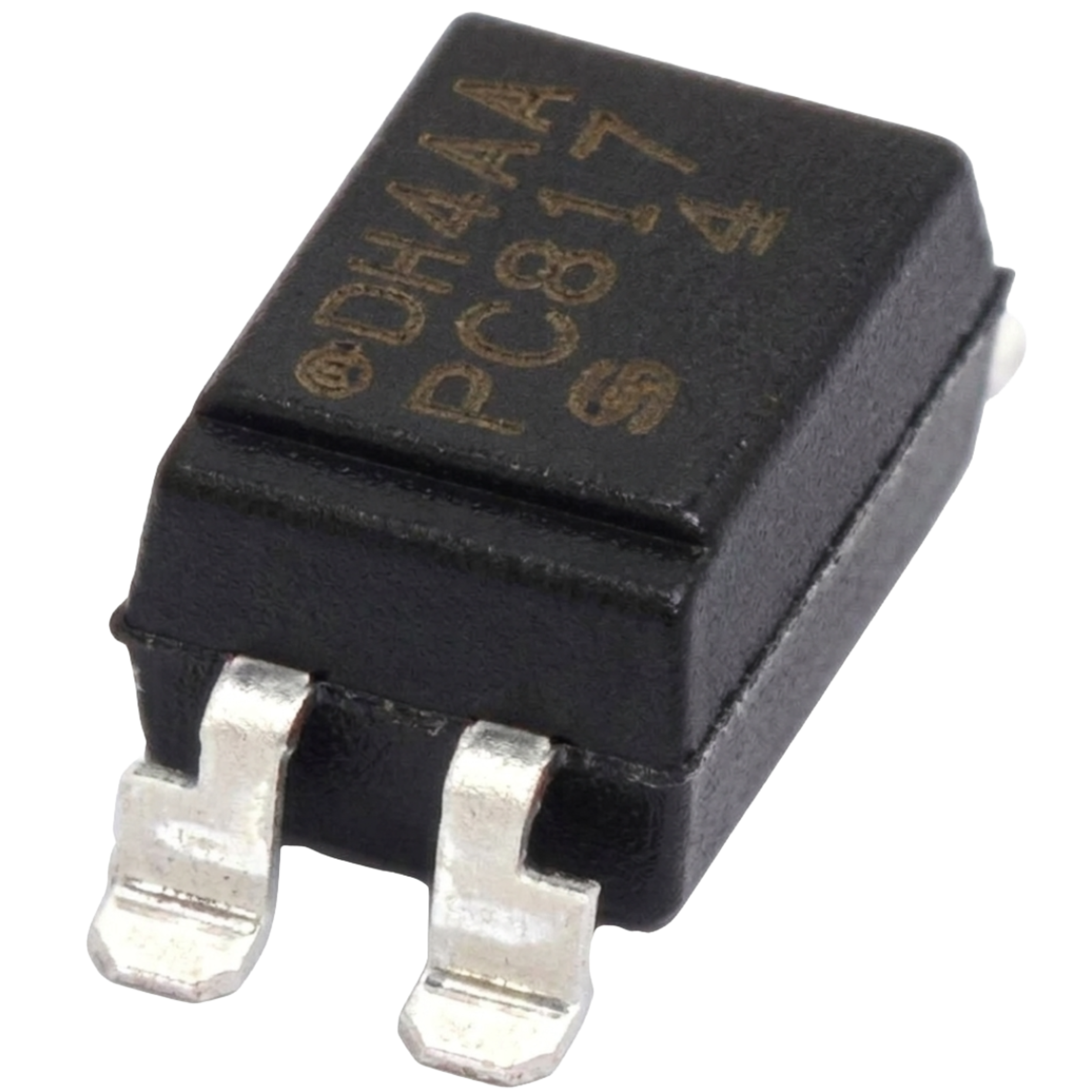
10 models
SMT DIP4
Basic Insulation
Single Phototransistor
PC357N series
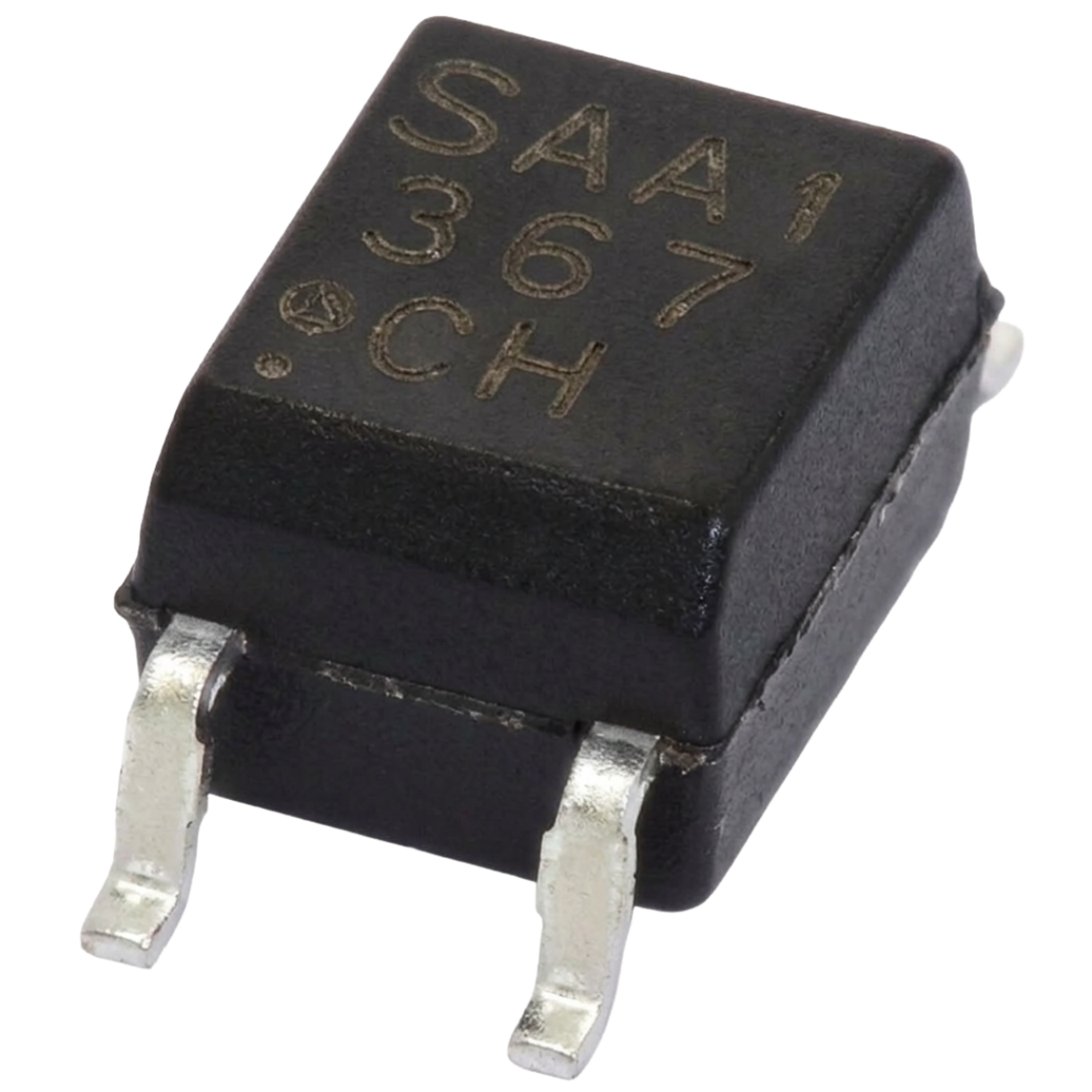
10 models
SOP4
Basic Insulation
Single Phototransistor
PC123X series
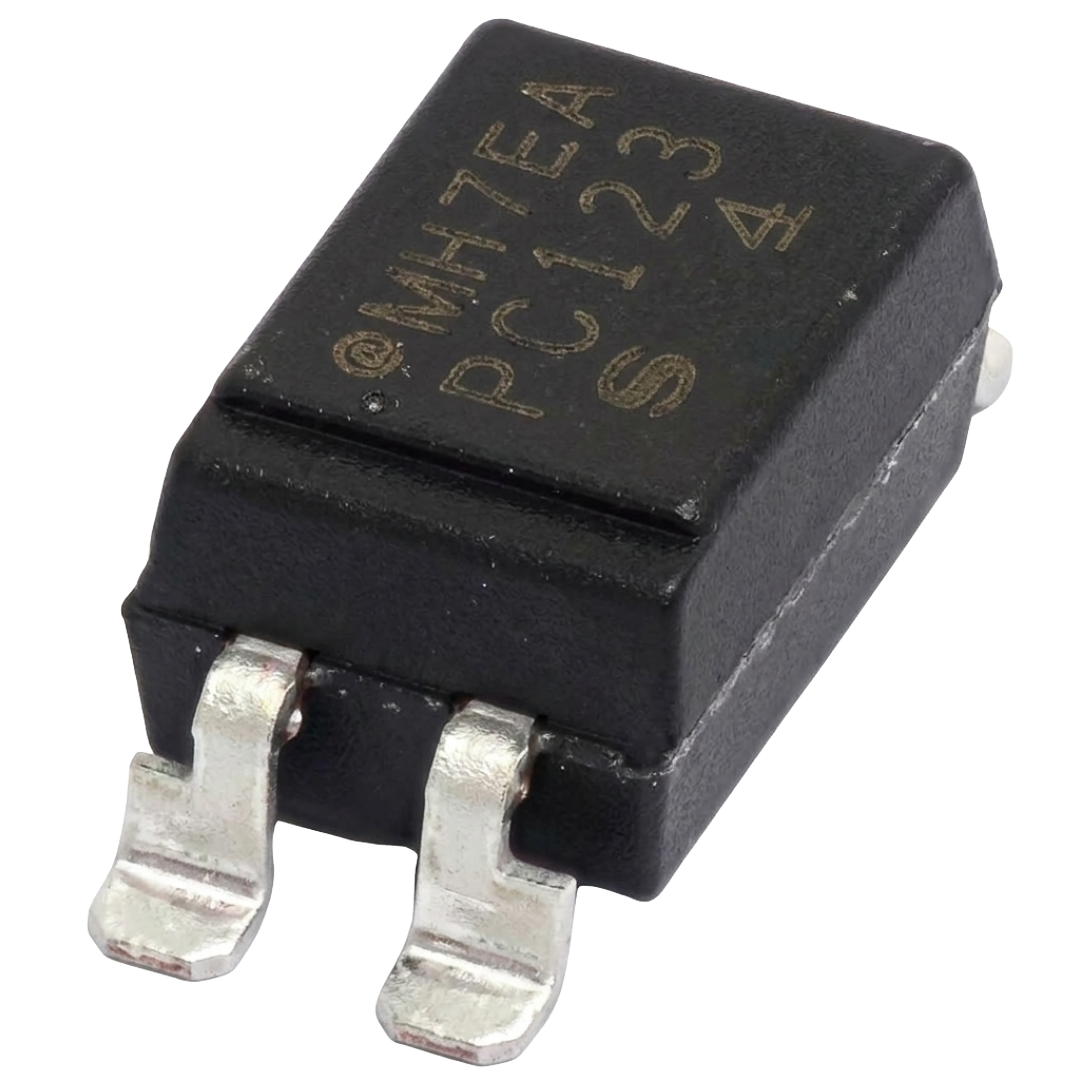
10 models
SMT DIP4
Reinforced Insulation
Single Phototransistor
Only series names are listed on this page. For detailed information on paper reel-compatible part numbers, please feel free to contact us.