
|
|
The Industry's Smallest and Thinnest-class Ultra-Compact Analog Output Reflective-type Photointerrupter

As an analog-output type, the industry's smallest and thinnest-class ultra-compact analog output reflective-type photointerrupter <GP2S800 Series> is one of the smallest and thinnest reflective photointerrupters in the industry*1. Together with the <GP1S396 Series>*2—our existing transmissive photointerrupter—we now offer an industry-leading, ultra-compact lineup featuring both reflective and transmissive types.
- *1 As of May 7, 2026, based on our research, in the market for analog output reflective Photointerrupter market.
- *2 As of May 7, 2026, based on our research in the analog-output transmissive Photointerrupter market.
What is a photointerrupter
A photointerrupter, as its name suggests, is an optical sensor that detects objects when its light beam is interrupted. It integrates a light-emitting element and a light-receiving element within a single package and uses light to detect the presence or position of an object.
Photointerrupters are available in two types: transmissive and reflective. A transmissive photointerrupter detects the presence of an object when it passes between the opposing emitter and detector, interrupting the light beam. In contrast, a reflective photointerrupter places the emitter and detector on the same plane and detects the presence of an object by sensing the light reflected from the object.
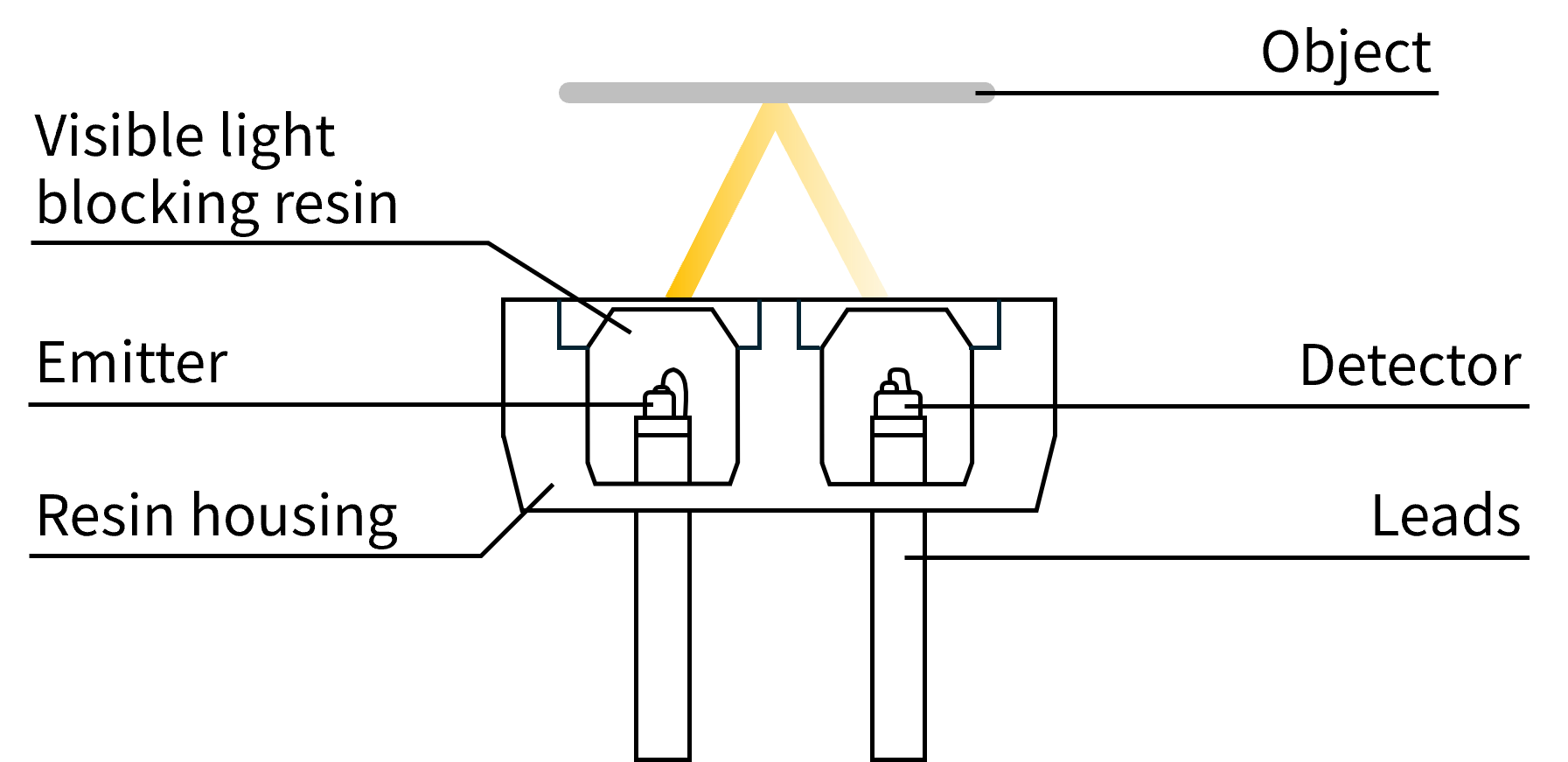
Reflective photointerrupter
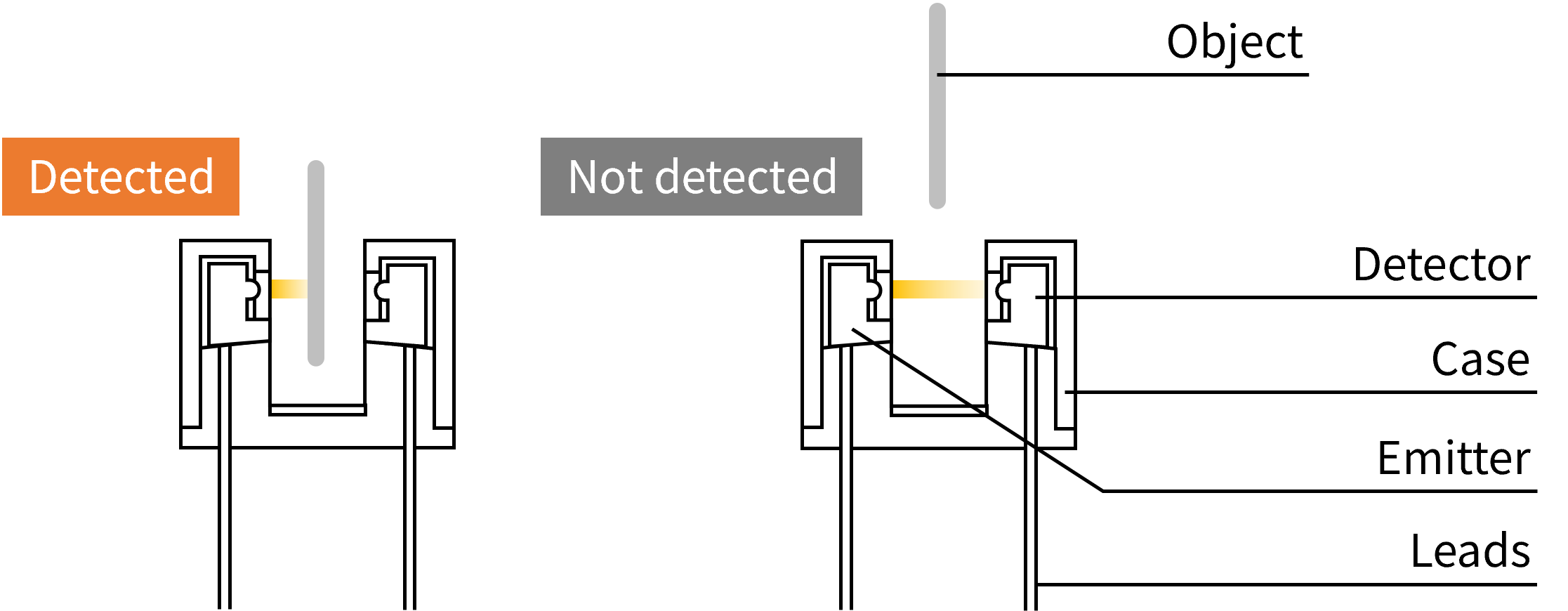
Transmissive photointerrupter
Features of the <GP2S800 Series>
1.
Industry's smallest and thinnest package size for an analog output type
In recent years, as electronic devices have become increasingly compact and multifunctional, there has been a growing demand for the miniaturization of internal components and support for high-density mounting.
Compared with our conventional <GP2S60 Series>, this newly developed product reduces mounting area by approximately 70% and thickness by approximately 60%, achieving an ultra-compact package size of 1.42 x 1.00 x 0.43 [H] mm—one of the smallest and thinnest in the industry.
This significant reduction in size and thickness makes it possible to further save space in sensor mounting areas.
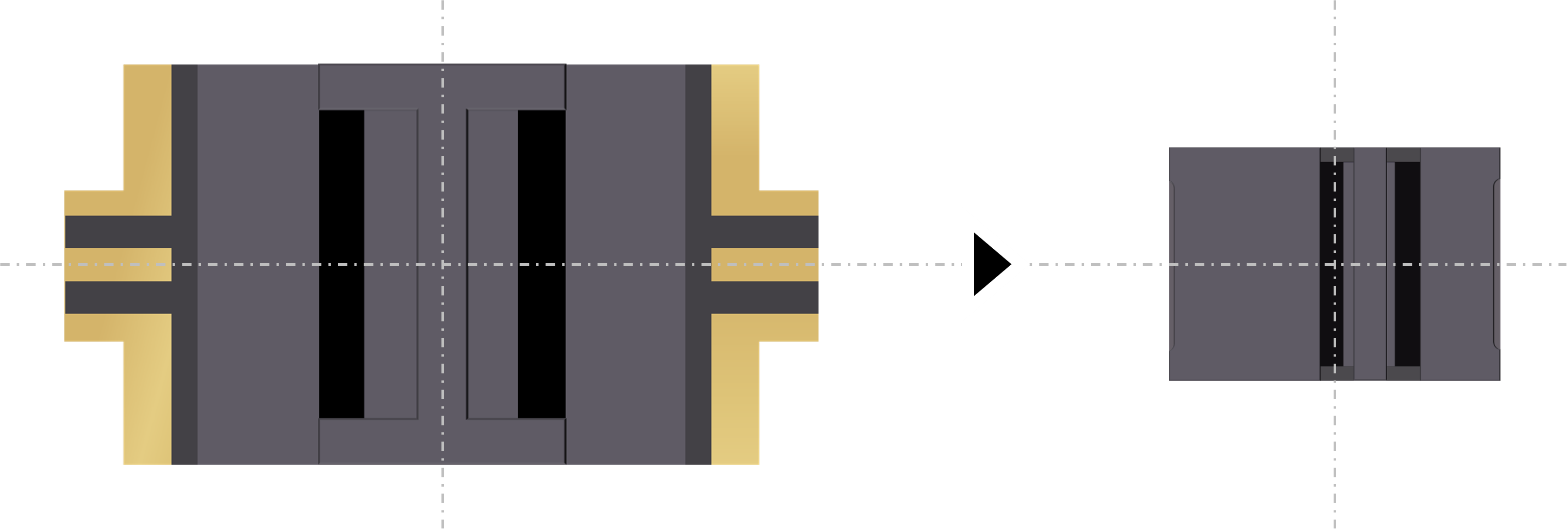
Over 70% Space Saving
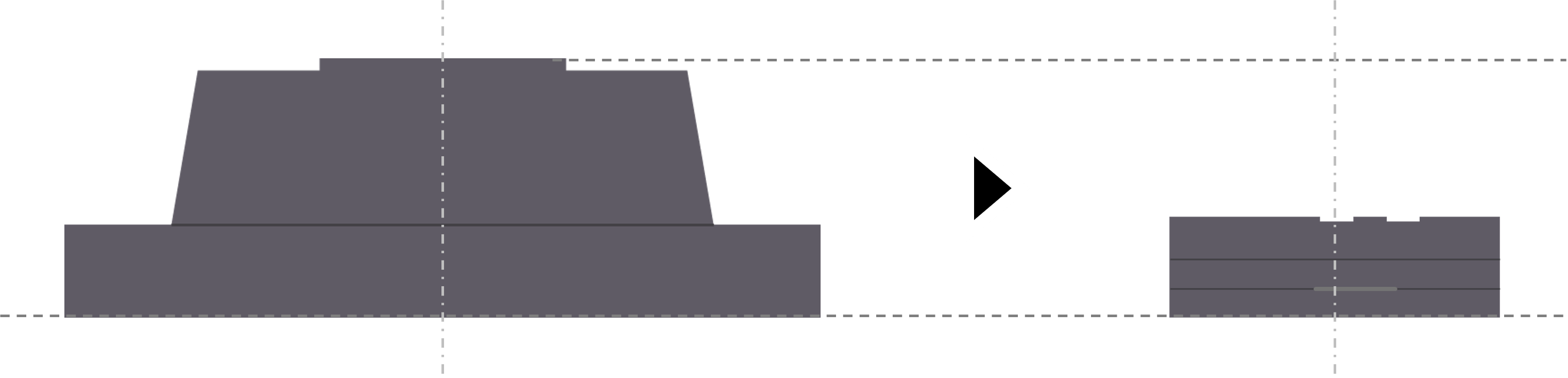
Over 60% Thinner
<GP2S60 Series> (left) 3.2 x 1.7 x 1.1 [H] mm、<GP2S800 Series> (right) 1.42 x 1.00 x 0.43 [H] mm
2.
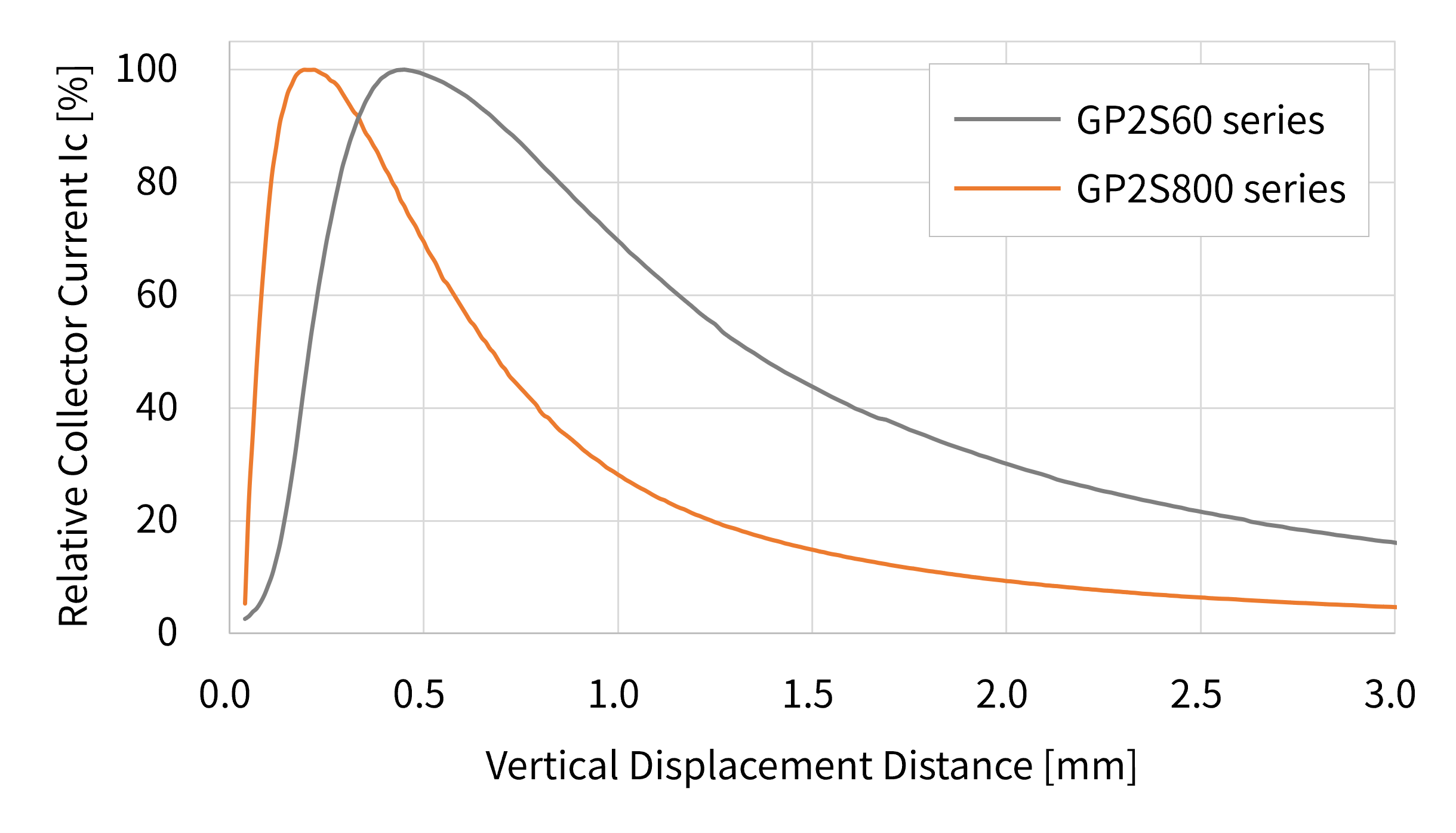
Capable of proximity detection as close as 0.20 mm
Leveraging our proprietary thin-wall molding technology developed over many years, we optimized the distance between the light-emitting and light-receiving elements. As a result, we achieved a minimum detection distance of 0.20 mm—more than 55% shorter than our conventional <GP2S60 Series>—enabling designs where the sensor can be placed closer to the target object.
Combined with its compact package size, this product significantly expands design flexibility, making it ideal for applications such as object detection in confined spaces and dial rotation tracking.
3.
More than four times higher photocurrent output compared to the conventional <GP2S60 Series>, enabling easier design through an improved signal-to-noise ratio and allowing lower LED drive current
In reflective photointerrupters, achieving a sufficient photocurrent ratio between detection (S) and non-detection (N) is more challenging than in transmissive types, making the S/N ratio a critical design consideration.
Compared to our conventional <GP2S60 Series>, this newly developed product achieves approximately four times higher photocurrent output. This is made possible by a shorter optical path enabled by our thin-wall molding technology and the adoption of a high-brightness LED chip. This improvement in S/N ratio contributes to easier circuit design.
Furthermore, in cases where the S/N ratio requirements are already satisfied with the conventional photocurrent level, power consumption can be reduced by lowering the LED forward current.
This product provides optimal solutions tailored to customer priorities, whether reducing design complexity or minimizing power consumption.
Typical Applications
Enables position detection of conveyed objects in limited spaces in a wide range of electronic devices, including mobile and precision equipment, as well as dial rotation detection.

Paper detection in printers

Dial rotation detection in cameras

Lens unit position detection

Open/close detection in smart locks